There is a particular kind of magic that settles over the Oregon Coast when the marine layer rolls in. The world turns a ghostly shade of grey, the rhythmic boom of the Pacific surf becomes a muffled heartbeat, and the jagged sea stacks begin to look like skeletal fingers reaching out of the depths. It is a breathtaking landscape, but for those with a penchant for the macabre, it is also the perfect stage for a nightmare.
While many travelers flock to our shores for the vibrant sunsets and world-class seafood, horror aficionados know that the coast has a darker, more mysterious cinematic history. Long before high-definition CGI, the 1980s saw a wave of cult horror films that utilized our rugged cliffs and isolated towns to create an atmosphere of pure, unadulterated dread.
In this installment of our Haunted Oregon series, we are stepping back into the era of practical effects and synth soundtracks to explore two 1980s cult classics that turned the serene beauty of Florence and Coos Bay into backdrops for terror.
The Haunting Allure of the Central Coast: Cry for the Strangers (1982)
When you think of a majestic lighthouse, your mind likely drifts to the iconic Heceta Head. But in the 1982 TV movie Cry for the Strangers, this beacon of safety becomes a symbol of isolation and ancient secrets. Filmed primarily around Florence, Oregon, this film captures the harmonious yet haunting intersection of the forest and the sea.
The story follows a psychiatrist who moves to the fictional "Clarks Harbor" seeking peace, only to find a community plagued by mysterious disappearances and a legend of "the strangers" who live in the hills. The synergy between the coastal fog and the dense, mossy forests of the Coast Range creates a palpable sense of unease that modern films struggle to replicate.
Filming Locations: Florence and Beyond
Much of the film’s most vibrant atmosphere was captured at Devil’s Elbow State Park (now part of Heceta Head Lighthouse State Scenic Viewpoint). The towering cliffs and the dark, yawning mouth of the sea caves provided the perfect hiding spots for the film’s titular antagonists.
Movie Data: Cry for the Strangers
- Release Date: December 11, 1982
- Director: Peter Medak
- Key Locations: Heceta Head Lighthouse, Devil’s Elbow State Park, Florence
- Notable Stars: Patrick Duffy, Cindy Pickett
Fun Fact: A house used in the movie still stands today just north of Florence, near the Tokatee Klootchman wayside. It remains a private residence, but you can see it from Highway 101, looking much as it did in the film.

Slasher Chills in the South: Blood Song (1982)
As we move south to the industrial beauty of Coos Bay and North Bend, the horror shifts from supernatural legends to the gritty, grounded terror of the 1980s slasher genre. Blood Song (also released in 1982) is a cult favorite starring Frankie Avalon as a flute-playing psychopath who escapes an asylum and heads for the coast.
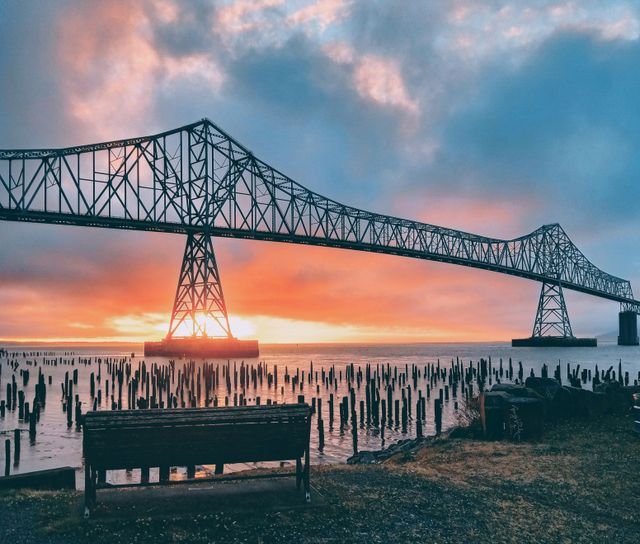
What makes Blood Song so special is its use of the Coos Bay waterfront. The film trades the ethereal mist of the central coast for a more urban, isolated vibe. The sprawling McCullough Bridge and the dark, winding residential streets of North Bend provide a backdrop that feels both familiar and terrifyingly exposed.
The McCullough Bridge: A Gateway to Dread
The bridge itself, a majestic piece of architecture, serves as a recurring motif in the film. Its massive steel arches, often shrouded in the morning "Coos Bay gloom," create a feeling of being trapped in a town where no one can hear you scream. The film captures the vibrant local culture of the early 80s: from the timber-industry grit to the quiet hillside homes.
Movie Data: Blood Song
- Release Date: October 1982
- Director: Alan J. Levi / Robert S. Fiveson
- Key Locations: Coos Bay Waterfront, North Bend, Coos County
- Notable Stars: Frankie Avalon, Donna Wilkes
Fun Fact: Blood Song was one of the many films that benefited from Oregon's growing reputation as a film-friendly state in the early 80s, leading to a decade where our "Hollywood of the North" moniker truly began to take hold.

Why Oregon is the Ultimate Horror Destination
The experience of watching these films is heightened by the knowledge that these locations are real and accessible. There is a profound synergy between the landscape and the narratives of isolation. On the Oregon Coast, you aren't just watching a movie; you are stepping into a world where the wilderness still feels vast and untamed.
Whether it’s the breathtaking views from a clifftop beach house or the claustrophobic feel of a gnarled forest trail, the coast offers a sensory overload for the horror fan. The cold wind against your face and the smell of salt and cedar are the perfect accompaniments to a retro-horror marathon.

Tips for Your Haunted Horror Location Tour
If you’re planning to visit these iconic filming sites, here are some best practices to ensure your trip is as safe as it is spooky:
- Chase the Fog: For the ultimate movie atmosphere, visit the Heceta Head area during the early morning or late evening when the marine layer is at its thickest.
- Respect Private Property: While many locations like the McCullough Bridge and Devil’s Elbow are public, some of the houses seen in these films are private homes. View them from a respectful distance on the highway.
- Check the Tide: If you’re exploring the sea caves at Devil's Elbow (featured in Cry for the Strangers), always check the tide tables. These areas can become dangerous very quickly.
- Gear Up: Coastal weather is unpredictable. Bring a waterproof jacket and sturdy boots, especially if you’re venturing onto the hiking trails near the lighthouse.
- Visit Local Museums: To get more context on the history of these towns, stop by the Coos History Museum or the Siuslaw Pioneer Museum in Florence.
A Legacy of Coastal Chills
The 1980s may be long gone, but the majestic and haunting presence of the Oregon Coast remains unchanged. Exploring the locations of Cry for the Strangers and Blood Song allows us to appreciate the cinematic history of our region while immersing ourselves in its natural, sometimes terrifying, beauty.
As you drive across the bridge in Coos Bay or look up at the light at Heceta Head, remember that you are walking in the footsteps of horror legends. The Oregon Coast isn't just a place for relaxation: it’s a place where the shadows have stories to tell. So grab your camera, pack your favorite retro soundtrack, and prepare to discover the hidden horror history that waits just beyond the next fog-shrouded bend in the road!