For centuries, a ghost has haunted the northern shores of the Oregon Coast: not a specter in a tattered shroud, but a massive, wooden leviathan buried beneath the shifting sands of Nehalem Bay. Long before the first lighthouses blinked into existence, and decades before Lewis and Clark marveled at the Pacific, a catastrophe unfolded in the churning mists off Neahkahnie Mountain.
Locals and travelers alike have walked the wind-swept expanse of Nehalem Spit, often stumbling upon strange, waxy blocks or delicate shards of blue-and-white porcelain. These are the fragments of the Beeswax Wreck, Oregon’s oldest and most enduring maritime mystery. It is a tale of a vanished Spanish galleon, a forgotten cargo of incredible wealth, and a crew that stepped into the fog and was never seen again.
The Ghost of the Galleon: The Santo Cristo de Burgos
The mystery officially began with the cargo. Since the early 1800s, explorers and fur traders recorded that the local Nehalem-Tillamook people possessed vast quantities of high-quality beeswax. This wasn't local honey; these were massive, refined blocks stamped with strange, geometric symbols.
After decades of archaeological sleuthing and archival research in Spain and Mexico, experts have finally identified the culprit: the Santo Cristo de Burgos. This massive Manila galleon set sail from the Philippines in 1693, bound for Acapulco, Mexico. It was a floating treasure chest, laden with silk, spices, fine Chinese porcelain, and over 75 tons of beeswax.
But the Santo Cristo de Burgos never reached its destination. Somewhere in the vast, unforgiving Pacific, it was blown off course, eventually striking the treacherous bars of the Nehalem River.
| Vessel Details | Information |
|---|---|
| Vessel Name | Santo Cristo de Burgos |
| Ship Type | Spanish Manila Galleon |
| Year Lost | 1693 |
| Primary Cargo | Beeswax, Chinese Porcelain, Silk |
| Estimated Survivors | Unknown (None Recorded) |
| Discovery Site | Nehalem Spit / Manzanita |
A Cargo of Secrets: Beeswax and Porcelain
What makes the Beeswax Wreck so majestic and eerie is how the ocean continues to surrender its secrets piece by piece. Walking along the shoreline after a heavy winter storm, lucky beachcombers still find pieces of the ship’s past.
The beeswax was used primarily for church candles in New Spain, and the blocks found on the Oregon Coast often bear the shippers' marks: distinctive brandings that allowed merchants to identify their property. Some pieces even still carry the faint, sweet scent of honey, preserved for over 300 years by the cold, oxygen-free sands.
Along with the wax, the "Beeswax Wreck" left behind a trail of vibrant Chinese porcelain. Shards from the Kangxi period have been found scattered across the dunes, their delicate blue patterns a stark contrast to the rugged grey basalt of the coastline.
Fun Fact: Some of the beeswax blocks found near Nehalem were so large they weighed over 30 pounds! Local tribes used the wax for trade and tool-making long before European settlers arrived in the region.

The Curse of the Cascadia Tsunami
One of the most harmonious yet tragic intersections of geology and history occurs here. For years, researchers wondered why blocks of beeswax were found high up on the hillsides and deep in the river valleys, far above the reach of normal tides.
The answer lies in the Cascadia Megathrust Earthquake of 1700. Scientists believe that when the ship wrecked in 1693, it sat relatively intact on the spit. Seven years later, the massive tsunami triggered by the Cascadia earthquake slammed into the coast. The wall of water picked up the remains of the galleon and its cargo, scattering beeswax and timbers deep into the estuaries and forest floor.
This event effectively "buried" the mystery, sealing the ship's remains under layers of sediment and creating the breathtaking archaeological puzzle we see today. It also explains why no survivors were ever found; if anyone had made it ashore in 1693, they would have faced the catastrophic 1700 tsunami just a few years later.
Modern Echoes: The Timbers in the Cave
For a long time, the Beeswax Wreck was a story told in shards and wax. But in June 2022, the mystery took a physical, majestic turn. A local beachcomber named Craig Andes discovered what appeared to be ancient wooden timbers tucked away in a series of dangerous sea caves near Manzanita.
A team of archaeologists and search-and-rescue volunteers launched a daring recovery mission, extracting large sections of what are believed to be the ship’s hull and a mast section. These timbers are now being preserved at the Columbia River Maritime Museum in Astoria. Seeing these massive beams: hewn from tropical hardwoods not native to Oregon: is a harmonious reminder of how small the world was, even in the 17th century.

The Goonies Connection
If the story of a lost Spanish galleon, hidden treasure, and coastal mysteries sounds familiar, you aren’t alone. It is widely whispered in local lore that the Beeswax Wreck was one of the primary inspirations for Steven Spielberg’s 1985 classic, The Goonies. While the movie was filmed further north in Astoria, the spirit of the "Inferno" and its lost riches is deeply rooted in the legends of Nehalem Bay.
Exploring Nehalem Today
Visiting the site of the Beeswax Wreck is a vibrant experience that combines history with the raw beauty of the North Coast. Whether you are a history buff or an adventure-seeker, there is a undeniable energy to this stretch of sand.
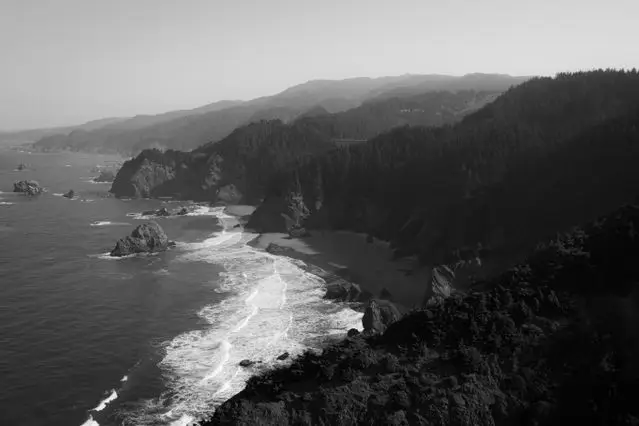
Nehalem Bay State Park offers the best access to the spit where the cargo was most frequently found. As you hike the dunes, keep your eyes peeled: the next great discovery could be right beneath your feet. The synergy of the crashing waves, the towering presence of Neahkahnie Mountain, and the knowledge that a 300-year-old treasure ship lies nearby creates an atmosphere that is truly majestic.

Tips for the Coastal Explorer
If you're heading out to Nehalem to soak in the history and mystery of the Santo Cristo de Burgos, keep these best practices in mind:
- Check the Tides: The best beachcombing happens after a storm and during a low tide. Always keep an eye on the ocean: sneaker waves are a real danger on this stretch of coast.
- Look, But Don't Take: If you find something that looks like an archaeological artifact (like a large timber or a significant block of wax), take a photo and record the GPS coordinates, then contact the Oregon State Parks or a local museum.
- Visit the Museums: To see real artifacts from the wreck, head to the Tillamook County Pioneer Museum or the Columbia River Maritime Museum.
- Hike Neahkahnie Mountain: For a bird's-eye view of the entire "wreck site," hike to the summit. The view of the bay from above is breathtaking.
- Stay Spooky: Dive into more local legends in our Haunted Oregon section to discover why this coastline is considered one of the most spirited in the country.
The mystery of the Beeswax Wreck remains one of the most harmonious blends of natural disaster and human tragedy. It is a reminder that the Oregon Coast is not just a place of beauty, but a graveyard of history, waiting for the next tide to reveal its secrets. Whether the main hull will ever be fully uncovered remains to be seen, but the legend of the Santo Cristo de Burgos will continue to pull at the imagination of every traveler who wanders these shores!