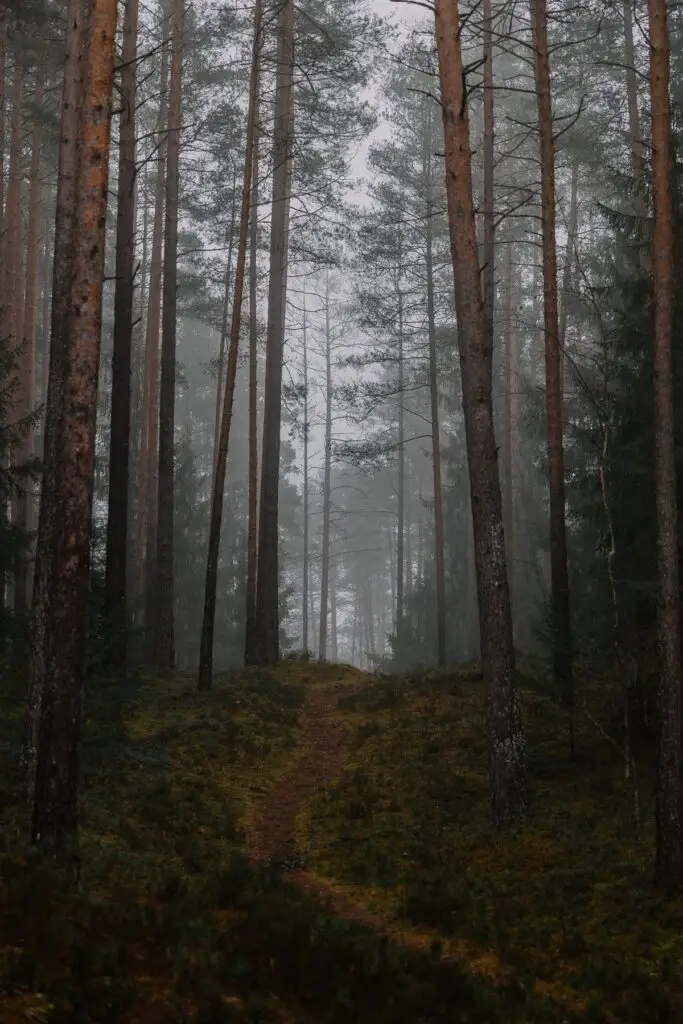
There is a specific kind of magic that settles over the Oregon Coast Range when the sun dips below the horizon and the Pacific mist begins its slow, ethereal crawl through the Douglas firs. For most of us, this is the signal to head back to a cozy cabin or a local coastal brewery. But for decades, others have stayed behind, eyes peeled on the dense treeline, searching for a legend that has haunted these mountains since long before the first logging roads were carved into the soil.
Welcome to the latest installment of our Haunted Oregon series. Today, we aren't talking about ghosts in old hotels or phantom ships on the horizon. Instead, we’re venturing deep into the vibrant and majestic wilderness of the Coast Range to explore the enduring mystery of the Coastal Sasquatch.
Whether you’re a skeptic or a true believer, there is no denying that the rugged terrain of the Tillamook and Siskiyou forests provides the perfect, harmonious backdrop for a creature that doesn’t want to be found.
The Geography of a Legend: Why the Coast Range?
The Oregon Coast Range isn't just a collection of hills; it is a sprawling, 200-mile-long fortress of timber and shadow. Stretching from the Columbia River down to the Middle Fork Coquille River, this range is defined by its sheer inaccessibility.
With over 100 inches of rainfall in some areas, the undergrowth is so breathtakingly dense that a twelve-foot creature could stand ten yards from a hiking trail and remain completely invisible. The synergy between the heavy rainfall and the rich volcanic soil creates a temperate rainforest that is as lush as it is mysterious.
| Territory Fact File | Data |
|---|---|
| Primary Forests | Tillamook State Forest, Siskiyou National Forest |
| Dominant Vegetation | Douglas Fir, Western Red Cedar, Sword Fern |
| Average Rainfall | 60–120 inches per year |
| Peak Elevation | 4,097 ft (Marys Peak) |
| Notable Wildlife | Roosevelt Elk, Cougar, Black Bear |
Fun Fact: The Tillamook State Forest covers over 364,000 acres: that’s roughly the size of 275,000 football fields, most of which have never felt a human footprint!
The Golden Era: 1960s and 70s Sightings
While tales of "Wild Men" in the mountains date back to Indigenous oral histories, the 1960s and 70s marked a documented boom in Sasquatch encounters along the Oregon Coast. As logging operations expanded deeper into the interior, workers began reporting things that defied logical explanation.
The Tillamook Forest Incidents
In the late 1960s, the Tillamook State Forest became a hotspot for what researchers call "Class A" sightings: clear, visual encounters at relatively close range. Loggers operating near the Trask River reported seeing large, bipedal figures watching them from the ridgelines.
One famous account from 1974 involves a timber cruiser who described a "foul-smelling, reddish-brown giant" that moved with incredible speed across a clear-cut that would have taken a human twenty minutes to navigate. The speed and majestic power of the creature left the veteran woodsman so shaken he refused to return to that specific unit for the remainder of the season.
Encounters in the Siskiyou Mountains
Further south, the Siskiyou Mountains offer an even more rugged escape. This is where the Coast Range meets the Klamath Mountains, creating a labyrinth of deep canyons and high peaks.
During the mid-70s, hikers near the Kalmiopsis Wilderness reported a series of "vocalizations": piercing, multi-tonal screams that echoed through the canyons at night. Unlike the growl of a cougar or the howl of a wolf, these sounds were described as "primal and rhythmic," suggesting a level of intelligence and lung capacity far beyond any known local predator.

Tales from the Treeline: Loggers and Hikers
What makes the Oregon Coast sightings so compelling is the caliber of the witnesses. These aren't just tourists catching a glimpse of a "bear" from a moving car on Highway 101. These are people who live and breathe the outdoors: men and women who know exactly what a bear, an elk, or a stray cow looks like in the brush.
The Logger's Testimony
Loggers are perhaps the most reliable chroniclers of the Coastal Sasquatch. Working in the "Graveyard of the Pacific" hinterlands, they are accustomed to the strange noises of the forest. However, throughout the 70s, reports of "rock throwing" became strangely common.
Heavy stones, some the size of bowling balls, would be launched from the treeline toward active logging equipment. When crews would go to investigate, they would find nothing but massive, five-toed tracks in the soft mud: tracks that often measured 16 to 18 inches in length.
The Hiker's Experience
For hikers, the experience is often more subtle but no less haunting. Many have reported the "feeling of being watched" while trekking the remote trails of the Coast Range. This is often followed by "wood knocks": loud, resonant cracks of wood hitting wood that seem to follow the hiker as they move down the trail. It’s a vibrant reminder that in these woods, we are the guests.

The Synergy of Nature and Mystery
Why does the Bigfoot legend persist so strongly on the Oregon Coast? It’s because the synergy between the environment and the folklore is perfect. The Oregon Coast Range is a place where the line between the known and the unknown is as thin as the morning mist.
When you stand on a ridge in the Siskiyous, looking out over thousands of acres of untouched canopy, the idea that a reclusive primate could exist there doesn't seem like a fantasy: it feels like a possibility. The breathtaking scale of the wilderness demands a certain level of respect and a willingness to believe that nature still holds a few secrets.
Fun Fact: Oregon has the third-highest number of documented Bigfoot sightings in the United States, with the Coast Range accounting for nearly 40% of the state's total reports!

Best Practices for Sasquatch Seekers
If you’re feeling adventurous and want to explore the "Bigfoot country" of the Oregon Coast for yourself, it’s important to be prepared. While Sasquatch is famously shy, the terrain itself is very real and can be dangerous for the unprepared.
- Check the Weather: The Coast Range can go from sunny to a torrential downpour in minutes. Always check our weather updates before heading out.
- Stay on the Trail: While the mystery lies off-trail, the danger does too. The Tillamook forest is full of steep drop-offs and hidden ravines.
- Bring a Camera: Most sightings are fleeting. Keep your phone or camera accessible, but don't forget to actually look with your eyes.
- Pack Out What You Pack In: Respect the harmonious balance of the forest. Leave no trace, so the next explorer can enjoy the same pristine mystery.
- Listen to the Locals: Stop by a local bait shop or diner near the trailhead. The best stories are rarely found in books; they’re told over a cup of coffee by the people who live there.

A Landscape of Infinite Wonder
The search for the Coastal Sasquatch is about more than just finding a creature; it’s about acknowledging the majestic and vibrant complexity of our world. The Oregon Coast Range invites us to step away from the digital noise and reconnect with the raw, untamed beauty of the Pacific Northwest.
Whether you find a footprint in the mud or simply find a moment of peace among the ancient firs, the journey into the heart of the Coast Range is an experience you will never forget. There is a profound beauty in the mystery, a harmonious blend of fear and fascination that keeps us looking back at the treeline.
So, next time you find yourself driving through the Tillamook or the Siskiyous, roll down your window, breathe in the damp, mossy air, and keep your eyes on the shadows. The coast is waiting to share its secrets with you!