Quick take: Living on the Oregon Coast is amazing, but it comes with real weather and safety risks. Winter storms, king tides, flooding, landslides, wildfire smoke, and tsunami preparedness are part of coastal life. This guide gives you practical, official, safety-first steps to help you settle in with confidence.
If you’re moving to the Oregon Coast, welcome to one of the most beautiful places in the Pacific Northwest—and one of the most weather-sensitive.
Life here rewards people who prepare. Coastal living means enjoying big winter storms, misty mornings, dramatic surf, and easy access to the ocean. It also means planning for flooding, landslides, king tides, power outages, wildfire smoke, and tsunami risk.
This guide is designed for people who are new to the Oregon Coast and want real, practical, safety-first advice backed by official sources and local emergency guidance.
Why coastal preparedness matters
The Oregon Coast has a unique climate and hazard profile. Many areas receive heavy annual rainfall, winter storms happen every year, and road conditions can change fast. Oregon Sea Grant identifies common coastal hazards such as flooding, tsunamis, coastal erosion, and landslides. The Oregon Department of Emergency Management also notes that winter storms are a recurring hazard statewide.
According to the Western Regional Climate Center, coastal Oregon commonly receives about 75 to 90 inches of precipitation annually in many areas, with even more in nearby higher terrain. That means drainage, moisture control, and storm readiness are part of everyday life here.
Preparedness on the coast is not about panic. It’s about being ready before the weather changes.
Coastal reality: On the Oregon Coast, “bad weather” is not unusual. Storms, high surf, and heavy rain are normal parts of the season. Planning ahead makes coastal living easier, safer, and less stressful.
Winter: storm season is real
Winter is the season that most often catches newcomers off guard.
Expect:
- Heavy rain
- Strong wind
- High surf
- King tides
- Power outages
- Downed trees
- Road closures
- Landslides
- Freezing rain or snow in some coastal areas and nearby passes
What to do before winter
Check your home
- Clean gutters and downspouts
- Inspect roofs and flashing
- Trim weak tree limbs
- Secure outdoor furniture, bins, and anything that can blow away
- Make sure drains around your property are clear
Build an outage kit
Keep the following on hand:
- Flashlights
- Batteries
- Battery-powered radio
- Phone chargers and power banks
- Blankets
- Warm layers
- Shelf-stable food
- Drinking water
- Medications
- First aid supplies
- Pet food
Prepare for road disruptions
If you drive inland, over passes, or through higher-elevation areas, keep chains in your vehicle when conditions require them. Don’t assume four-wheel drive is enough. Oregon Department of Transportation recommends checking road conditions before you go.
Travel tip: Before every winter drive, check TripCheck. If roads are closed, do not try to “push through.” Coastal road conditions can change quickly and become dangerous fast.
Use official road info
Winter driving tips
- Slow down before curves, bridges, and hills
- Leave extra following distance
- Avoid standing water if you cannot see the road surface
- Do not go around road closures
- Be ready for falling limbs and debris after storms
Important winter warning
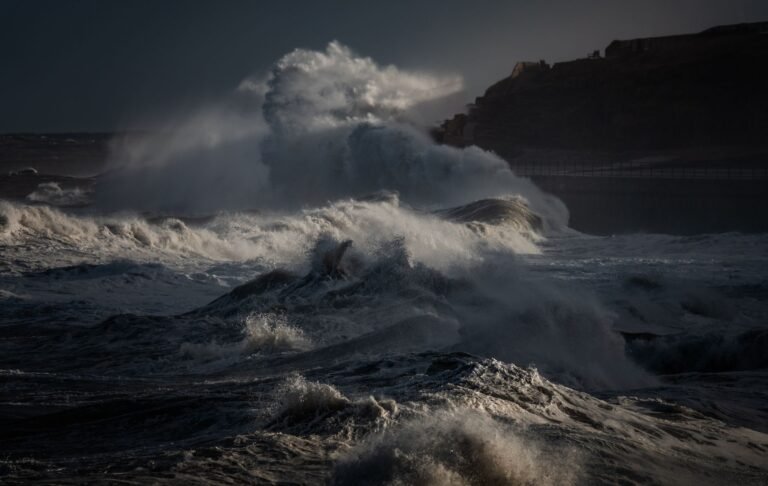
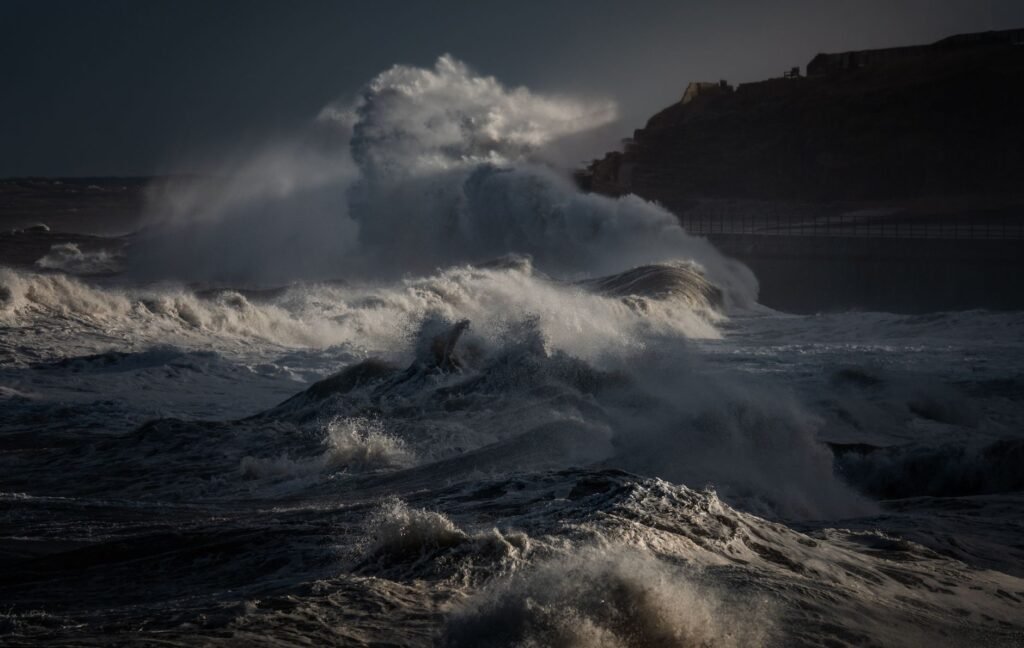
The coast is famous for storm watching, but high surf and king tides are dangerous. Stay away from jetties, logs, cliffs, and areas where waves can reach unexpectedly. Sneaker waves can sweep people into the ocean with little warning.
Safety warning: Never turn your back on the ocean. Even on a calm-looking beach, waves can surge farther than expected and move fast enough to knock people down or pull them into the water.
Spring: inspect, repair, and reset
Spring is a smart time to recover from winter and prepare for the next round.
Spring checklist
- Look for roof leaks
- Check crawl spaces, basements, and under sinks for moisture
- Inspect retaining walls and slopes for erosion or movement
- Clean vents and dehumidifiers
- Clear out storm debris
- Replenish emergency supplies
- Review your evacuation plan
Moisture is a major issue on the coast. Even small leaks can become mold or rot problems if they are not caught early.
Spring is also a good time to review tsunami information and emergency routes, especially if you live, work, or spend time near the beach.
Summer: safer weather, different risks
Summer on the Oregon Coast can be mild, sunny, foggy, or surprisingly hot depending on the year. It can also bring wildfire smoke from fires elsewhere in the region.
Summer hazards
- Wildfire smoke
- Dry conditions
- Heat waves
- Crowded beaches
- Cold-water danger in the ocean
- Rip currents and sneaker waves
Summer safety tips
Watch air quality
If smoke moves in, monitor air quality and reduce outdoor activity when needed. Oregon’s climate assessments and air-quality guidance highlight wildfire smoke as an increasing concern.
Be careful with fire
- Follow burn restrictions
- Never leave campfires unattended
- Do not toss cigarettes into dry grass
- Keep fire tools and water nearby when legal campfires are allowed
Respect the ocean
The Pacific is cold all year. Even in summer, the water can cause shock and numbness. Always watch the surf, especially around rip currents and rocky shorelines.
Expect more traffic
Summer brings visitors, especially along Highway 101 and in beach towns. Leave early, stay patient, and keep plenty of fuel in the tank.
Fall: the best time to get ready
Fall is when smart coastal residents prepare for the worst weather of the year.
Fall prep checklist
- Test your heating system
- Replace smoke and carbon monoxide detector batteries
- Review your insurance coverage
- Check flashlights and battery supplies
- Restock food and water
- Put together vehicle emergency supplies
- Save local emergency contacts
- Know your tsunami evacuation route
Fall is also the right time to get ready for king tides, coastal flooding, and road impacts from storms.
Tsunami safety: know before you need it
The Oregon Coast is tsunami country. That means every resident should know where to go if an earthquake happens offshore or if the ground shakes strongly for more than a few seconds.
Tsunami rule: If you feel strong shaking near the coast, do not wait for an alert. Move to high ground immediately.
If you feel strong shaking near the coast:
- Do not wait for an alert
- Move immediately to high ground
- Follow your local tsunami evacuation route
- Go on foot if roads are blocked or traffic is heavy
Learn these things now:
- Whether your home is in a tsunami zone
- Your nearest safe high ground
- Your fastest walking route
- Where to meet family if separated
You can find evacuation zone and preparedness information through your county emergency management office and state resources.
What every new coastal resident should keep in the car
A small vehicle emergency kit can make a big difference.
Recommended items:
- Blanket or sleeping bag
- Water
- Snacks
- Flashlight
- Battery bank
- First aid kit
- Gloves
- Rain gear
- Jumper cables
- Basic tools
- Reflective triangle or vest
- Paper map
- Chains if needed for your travel route
Also keep:
- Insurance card
- Vehicle registration
- Emergency phone numbers
Home setup tips for coastal living
Homes on the Oregon Coast deal with moisture, wind, and salt air. That means maintenance matters.
Useful home habits
- Use dehumidifiers where needed
- Keep ventilation fans working
- Wash salt residue from exposed fixtures when you live close to the ocean
- Use corrosion-resistant hardware outdoors
- Store firewood away from the home and off the ground
- Check windows, seals, and weatherstripping often
- Watch for mold in closets, crawl spaces, and behind furniture
If you rent, ask your landlord about drainage, roof maintenance, and how the property handles storm runoff and outages.
If you’re buying a home, ask these questions
Before buying on the coast, ask:
- Is this property in a flood zone?
- Has the area experienced landslides or erosion?
- How old is the roof?
- How does water drain away from the house?
- Is there backup heat?
- Has the home had moisture or mold issues?
- Is the property in a tsunami evacuation zone?
These are practical questions, not alarmist ones. Coastal property can be wonderful, but the details matter.
Real emergency contacts and websites
Save these now:
Emergency help
- 911 — immediate fire, police, or medical emergency
- 211info — community support, housing, food, utilities, and local help
Website: 211info.org
Phone: 211 or 866-698-6155
Text: 898211
Oregon emergency alerts
Oregon road and travel conditions
- TripCheck
- ODOT winter travel info
Phone in Oregon: 800-977-ODOT (6368)
Outside Oregon: 503-588-2941
Weather
- National Weather Service Portland office
Phone: 503-326-2340
State and coastal preparedness
Final thoughts
Living on the Oregon Coast is worth it. The weather is dynamic, the scenery is incredible, and the pace of life is hard to beat. But this coastline asks residents to be prepared.
If you remember just a few things:
- Winter storms are normal
- King tides and high surf can be dangerous
- Landslides and flooding can happen
- Tsunami readiness matters
- Wildfire smoke can affect the coast too
- Official road and weather information should be checked before you travel
Prepared people enjoy the coast more.
Welcome home.
Sources used for factual guidance
- Oregon Department of Emergency Management
- Oregon Department of Transportation / TripCheck
- Oregon Sea Grant Coastal Hazards
- Western Regional Climate Center
- National Weather Service Portland
- OR-Alert
- 211info
“