Tillamook is the inland hub of the Tillamook Coast, surrounded by dairy country, five rivers, forest and a broad bay that has shaped transportation, food culture and outdoor life for generations.
The Tillamook area is the homeland of Indigenous peoples whose lives were connected to the bay, rivers, salmon and forests long before non-Native settlement. The name Tillamook itself comes from Indigenous language and regional tribal identity.
Euro-American settlers established dairy farms in the 1850s, and the isolation of the coast encouraged communities to turn milk into products that traveled more easily. A small schooner called Morning Star was built in 1855 to move goods across the bar and connect the region with outside markets.
Rail service reached Tillamook in 1911, changing transportation and commerce. Agriculture, timber, fishing and bay resources continued to define the county, while Highway 101 later made Tillamook the main inland crossroads for the North Coast.
DID YOU KNOW?
Five rivers feed one bay
Tillamook Bay is fed by five major rivers — the Tillamook, Trask, Wilson, Kilchis and Miami — creating a rich estuary that supports salmon, birds, shellfish and a working coastal economy.
LANDMARKS • SCENERY • EXPERIENCES
Things to see & do in Tillamook
Tillamook is a useful base for exploring both inland river country and the dramatic capes surrounding Tillamook Bay.
01
Tillamook Bay & estuary
Explore viewpoints around the bay to watch tides, fishing activity and large concentrations of waterbirds in one of Oregon’s productive coastal estuaries.
02
Cape Meares area
West of town, forest roads and coastal routes lead toward Cape Meares, ocean viewpoints, lighthouse history and old-growth Sitka spruce.
03
Hoquarton Slough & river country
Wetlands and waterways near town offer a quieter look at the ecosystem that connects agricultural valleys to Tillamook Bay.
04
Local history museums & heritage sites
Regional museums and historic collections tell the story of Indigenous communities, pioneer settlement, dairy agriculture, logging and transportation across Tillamook County.
Around Tillamook
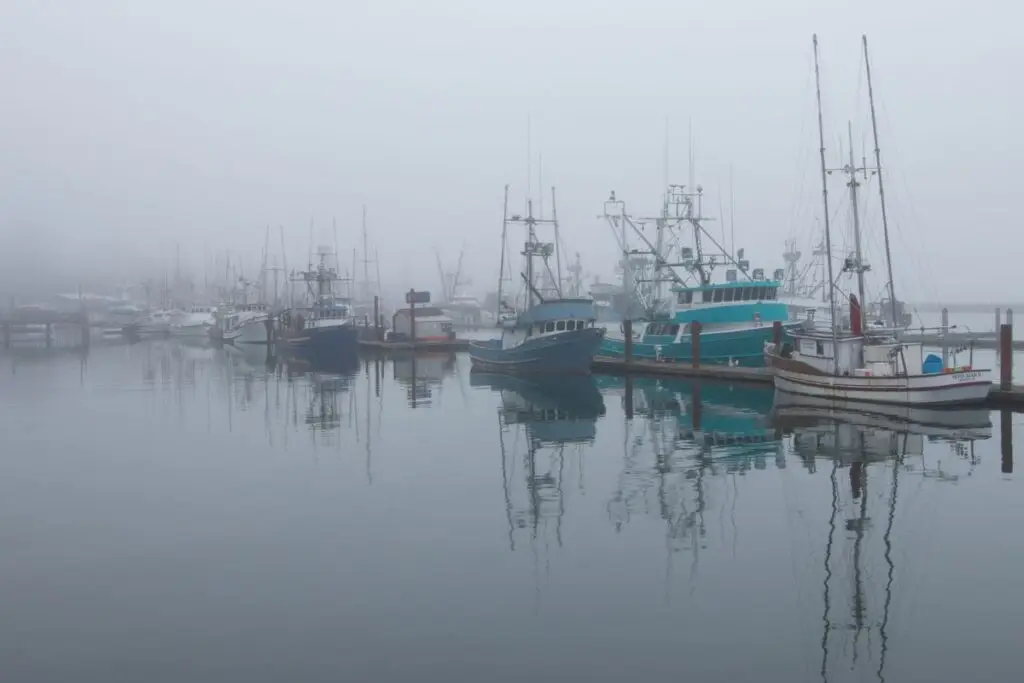
Coastal atmosphere for the Tillamook guide. Photo via Pexels.
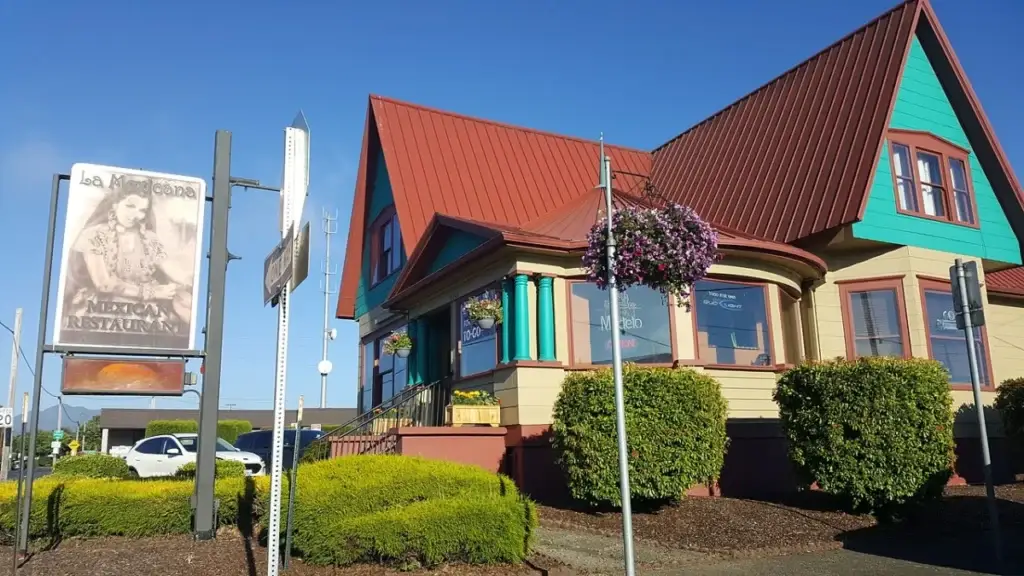
Tillamook, Oregon in 2021. Photo by Another Believer via Wikimedia Commons (CC BY-SA 4.0).
NATURE & WILDLIFE
Wildlife to watch for
Tillamook Bay and its rivers support salmon, steelhead, harbor seals, bald eagles, herons, ducks and large numbers of migrating shorebirds. Roosevelt elk and black-tailed deer are common in nearby valleys and forests. Coastal viewpoints west of town can also be good for gray whale watching during migration.
SEASONAL WEATHER
What the weather feels like
Typical daytime high / overnight low ranges. Coastal weather can change quickly, so treat these as seasonal guideposts rather than a forecast.
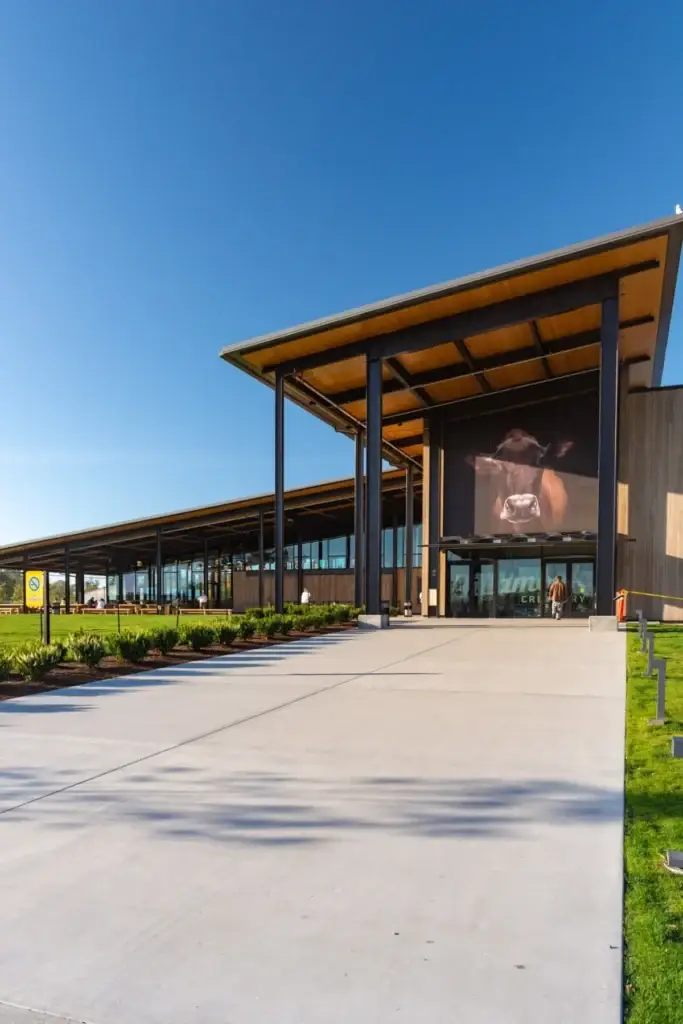
Tillamook is the agricultural heart of the north coast, surrounded by dairy farms and river valleys. The Tillamook Creamery is the best-known stop, with exhibits, food and a view into modern cheesemaking.
The city is also a practical hub for exploring the Three Capes Scenic Route, Tillamook Air Museum and communities around Tillamook Bay.
GOOD TO KNOW
Practical tips for Tillamook
Rain shapes the landscape
Tillamook is famously wet in fall and winter. Waterproof shoes and a rain shell make river walks, bay viewpoints and scenic drives much more comfortable.
Drive times can be deceptive
Cape and bay roads are slower than Highway 101. Leave extra time if you plan to combine Tillamook with Cape Meares, Oceanside or other coastal stops.
Respect working farmland
Much of the valley is active agricultural land. Stay on public roads and trails, close gates where required and never enter farm property without permission.
LOCAL HISTORY • CULTURE • STRANGE & TRUE STORIES
Stories from Tillamook
Fresh stories connected to Tillamook appear here automatically when they are tagged Tillamook-blog.
LOCAL STORY
The Howling Pup of Terrible Tilly: The 1881 Tragedy of the Lupatia
If you stand on the overlooks of Ecola State Park on a particularly rough winter evening, you might see it: a jagged, lonely tooth…